
Does severance pay apply to business shutdowns?
severance pay apply to business shutdowns
When a company closes its operations, employees often wonder: Does severance pay apply to business shutdowns? A business shutdown can create uncertainty, especially when jobs are lost due to reasons beyond an employee’s control. Whether severance pay applies in these situations depends on the employment laws governing the workplace and the specific conditions under which the shutdown occurs. In federally regulated industries, the legal framework provides important guidance on how severance pay is treated when a business ceases operations.
Under federal employment standards, a business shutdown does not automatically eliminate an employer’s obligation to provide severance pay. The loss of employment due to a permanent or temporary closure is generally considered a termination initiated by the employer. As a result, eligible employees may still have the right to severance pay, even though the closure is not related to employee performance or misconduct. This principle is central to Canada Labour Code severance pay, which aims to protect employees when their employment ends through no fault of their own.
Eligibility remains a key factor in shutdown situations. Employees must meet the minimum length of service requirement, typically at least 12 consecutive months of continuous employment, to qualify for severance pay under the Code. If this condition is met and the employee is not terminated for just cause, the employer’s decision to shut down the business does not remove the severance obligation. This applies whether the shutdown affects a single location or an entire enterprise, provided the employer falls under federal jurisdiction.
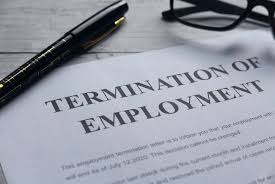
Does severance pay apply to business shutdowns?
It is also important to distinguish severance pay from other obligations that may arise during a business shutdown. For example, employers may also be required to provide notice of termination or pay in lieu of notice, especially in cases of mass layoffs. These requirements serve different legal purposes and are separate from severance pay. An employee may be entitled to both forms of compensation, depending on the circumstances of the shutdown and the applicable legal standards.
Financial difficulty or insolvency is another common concern during shutdowns. While financial hardship may explain why a business closes, it does not automatically excuse an employer from severance pay obligations. In some cases, bankruptcy or insolvency proceedings may affect how and when severance pay is paid, but the underlying entitlement may still exist. Employees may need to assert their claims through formal processes if the employer is unable to pay immediately.
In conclusion, severance pay can apply to business shutdowns, particularly in federally regulated workplaces. The Canada Labour Code treats a shutdown as an employer-initiated termination, meaning eligible employees may still be entitled to severance pay if they meet the required conditions. Understanding how severance pay applies in closure situations helps employees better protect their rights and enables employers to plan responsibly when making difficult decisions about ending operations.