
How do industrial flooring systems enhance workplace safety?
industrial flooring systems
Industrial flooring systems play a critical role in enhancing workplace safety across various industries, from manufacturing to logistics and warehousing. These flooring systems are engineered not only for durability and strength but also to reduce hazards that could lead to accidents or injuries. By providing a reliable and resilient surface, industrial flooring systems ensure a secure environment for workers, equipment, and operations.
A key reason why industrial flooring systems are vital to workplace safety lies in their slip-resistant properties. Many industrial environments are prone to spills, moisture, and the accumulation of dust or debris, all of which can create slippery surfaces. Specialized industrial flooring systems, including textured epoxy coatings and non-slip aggregates, are designed to provide traction underfoot, significantly minimizing the risk of slips and falls. This is especially important in areas where employees operate heavy machinery or carry out tasks requiring precise movement.
Moreover, the durability of Industrial flooring systems contributes directly to a safer workplace. When floors crack, chip, or wear unevenly, they become trip hazards or may even damage equipment like forklifts or pallet jacks. High-performance industrial floors, such as epoxy coatings and polyurethane finishes, maintain structural integrity under high loads and traffic, reducing maintenance needs and preventing the formation of hazardous surface conditions. Over time, this durability ensures consistent safety and less downtime due to repairs.
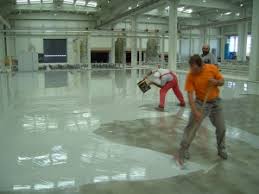
How do industrial flooring systems enhance workplace safety?
For heavy-wearing traffic, the most industrious system would be an epoxy mortar floor as it contains a higher aggregate load, making its impact characteristics stronger. This type of industrial flooring system is ideal for environments where frequent, heavy-duty use occurs—such as loading docks, production floors, or automotive facilities. The increased aggregate content not only boosts the floor’s ability to withstand impact from dropped tools or machinery but also ensures that it resists abrasion from constant movement. As a result, the floor remains safe and stable, even in the harshest conditions, which is essential for protecting both personnel and assets.
Another way industrial flooring systems improve safety is through their chemical resistance. In sectors like pharmaceuticals, food processing, and chemical manufacturing, spills of corrosive or hazardous substances are common. Without the proper flooring, these spills could quickly damage the surface and create long-term safety risks. Industrial flooring systems, particularly epoxy-based coatings, are formulated to resist such chemicals, preventing damage and allowing for easier cleanup. This resistance not only maintains the floor’s integrity but also ensures that safety standards and hygiene requirements are met consistently.
Additionally, industrial flooring systems can be customized with color-coded markings, safety lanes, and warning zones directly embedded into the floor design. This visual communication enhances awareness and promotes orderly conduct within the workplace, contributing to overall operational safety. When workers can clearly identify walkways, hazardous zones, or equipment areas, the chance of accidents is further minimized.
In conclusion, industrial flooring systems are not merely functional surfaces; they are a critical safety feature in any industrial setting. From slip resistance and chemical durability to impact strength and visual safety cues, these systems support a safer, more efficient, and regulation-compliant workplace. Investing in the right industrial flooring system, such as epoxy mortar floors for heavy-use areas, is a proactive step toward ensuring long-term safety and productivity.