
How Do Printed Circuit Boards Compare to Flexible PCBs?
Printed Circuit Boards Compare to Flexible PCBs
Printed circuit boards, also known as PCBs, are vital components that help to assemble electronic items. They are also the main source of electrical power that connects the device’s hardware, including its microprocessor, to external components like capacitors and resistors. While traditional rigid PCBs have been the norm in most of today’s electronic devices, flexible and flex-rigid circuit boards are rapidly gaining popularity for a variety of reasons. When choosing a new circuit board, it is important to know the difference between these two types of circuit boards so you can choose which one suits your particular needs best. Rush PCB Inc. has all the information you need to decide which is right for your project.
Flex or flex-rigid PCBs are a great choice when reliability and maximum adaptability are required. They are ideal for bending and flexing during device assembly and can fit into small regions where standard rigid boards cannot. These boards are also lightweight, allowing them to reduce overall weight of your finished product.
These boards have a malleable base material, such as polyimide ribbons. Copper conductors are printed on top of the base material using a similar process as traditional rigid pcb printed circuit board. They are then rolled and cut to form the desired shape of your final product. These boards are more expensive than standard rigid PCBs, but they provide added flexibility and superior performance in environments that require bending or flexing.
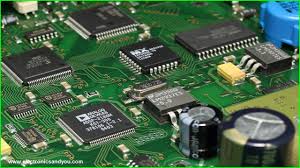
How Do Printed Circuit Boards Compare to Flexible PCBs?
The differences between flex and rigid PCBs lie in their manufacturing processes, which affect their cost. Rigid PCBs use more materials than flexible ones and require complex production processes to manufacture, such as selective plating, multiple surface finishes, and etching. These factors make rigid PCBs more costly than flexible ones, especially for high-volume production runs.
On the other hand, flexible PCBs have less expensive manufacturing costs and can be more effective in reducing overall production costs for low-volume or prototype runs. These benefits make them more attractive to designers with limited budgets.
When choosing a pcb printed circuit board, it is important to consider your industry’s needs and the environment where your products will be used. For example, industrial equipment may need to withstand frequent movement and rapid pressure in addition to extreme temperatures. In these cases, a rigid PCB would be inappropriate for the job. Flexible PCBs can perform well in these conditions and are able to absorb vibrations, shock, or heat over long periods of time. This makes them a better option for the rugged environment of these types of projects. However, they are still not as durable as a solid or cast metal device.