
How safe is a Hair Transplant In Chicago?
For individuals considering hair restoration, safety is often the most important concern. A Hair Transplant In Chicago is widely regarded as a safe and well-established medical procedure when performed by a qualified physician using modern techniques. Advances in technology, surgical training, and patient-centered planning have significantly reduced risks while improving outcomes. However, safety ultimately depends on where you go, who performs the procedure, and how thoroughly your treatment is customized.
Medical Standards and Oversight in Chicago
Chicago is home to many reputable medical practices, and hair restoration clinics are held to strict healthcare regulations. A Hair Transplant In Chicago performed in a licensed medical facility must meet state and federal safety standards, including sterilization protocols, patient monitoring, and emergency preparedness. Clinics led by board-trained physicians—particularly those with backgrounds in plastic surgery—bring an added layer of anatomical knowledge and aesthetic judgment that supports patient safety.
The Role of the Surgeon’s Expertise
One of the strongest safety indicators is direct physician involvement. Leading clinics emphasize that the doctor personally evaluates hair loss patterns, designs the hairline, and performs critical steps of the procedure. Surgeons with both medical and artistic training understand not only how to place grafts safely, but also how to avoid overharvesting donor areas and protect long-term scalp health. This approach reduces complications and supports results that continue to look natural as patients age.
Modern Techniques Reduce Risk
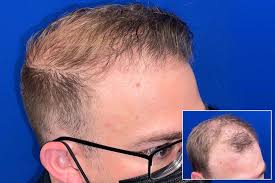
Most high-quality clinics in Chicago specialize in FUE hair transplantation, a minimally invasive method that does not require large incisions or stitches. Compared to older techniques, FUE involves less trauma to the scalp, faster healing, and a lower risk of noticeable scarring. Because the procedure is typically done under local anesthesia, patients remain comfortable and alert throughout, further improving safety for a Hair Transplant In Chicago.
Personalization and Patient Screening
Safety is not just about the procedure itself—it begins with proper patient selection. Reputable clinics conduct thorough consultations to evaluate medical history, hair loss stability, and realistic expectations. Clinics that emphasize education and long-term planning help patients understand both the benefits and limitations of surgery. This individualized approach minimizes the risk of dissatisfaction or the need for corrective procedures later on.
Post-Procedure Care and Follow-Up
Aftercare plays a critical role in ensuring a safe outcome. High-standard clinics provide detailed post-operative instructions, ongoing follow-up appointments, and access to non-surgical treatments that support healing and graft survival. Many patients researching a Hair Transplant In Chicago choose practices that prioritize long-term support rather than one-day procedures. Educational resources and treatment insights can often be found through clinic platforms such as northwesternhair.com.
Common Risks and How They Are Managed
Like any medical procedure, hair transplantation carries minor risks, such as temporary swelling, redness, or shedding of transplanted hair. Serious complications are rare when the procedure is performed by an experienced physician in a controlled setting. Modern protocols and refined surgical techniques have made complications uncommon, especially compared to earlier decades of hair restoration.
In summary, a Hair Transplant In Chicago is considered very safe when performed by a medically trained specialist using current methods and individualized planning. Clinics that focus on precision, patient education, and modern approaches such as hair transplantation offer patients both peace of mind and reliable, natural-looking results. Safety is not just about the surgery itself—it is about the expertise, care, and philosophy behind every step of the process.