
What are the benefits of vibroacoustic music therapy?
benefits of vibroacoustic music therapy
Vibroacoustic music therapy is an FDA-approved wellness modality that utilizes low-frequency sound vibrations to enhance both physical and mental health. Unlike conventional music therapy, which primarily relies on auditory stimulation, vibroacoustic therapy (VAT) combines sound and vibration to create a full-body experience that promotes relaxation, pain relief, and emotional well-being. This holistic approach is gaining recognition for its ability to support stress management, cognitive function, and physical recovery, making it a valuable tool for overall wellness.
One of the most significant benefits of vibroacoustic music therapy is its ability to induce deep relaxation. The combination of soothing music and low-frequency vibrations stimulates the parasympathetic nervous system, which helps reduce stress and lower cortisol levels. Many individuals who experience anxiety, burnout, or sleep disturbances find VAT particularly helpful in calming the mind and body. The vibrations create a meditative state that encourages mental clarity and emotional balance.
In addition to relaxation, vibroacoustic therapy is widely used for pain management. The deep vibrations penetrate muscles and tissues, improving circulation and reducing inflammation. This makes VAT an effective solution for individuals suffering from chronic pain conditions such as arthritis, fibromyalgia, and migraines. Unlike medication-based pain treatments, which may have side effects, vibroacoustic therapy offers a natural, non-invasive way to alleviate discomfort and promote healing.
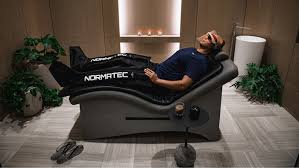
What are the benefits of vibroacoustic music therapy?
At Vibroacoustic Solutions, we have designed our VAT systems to be lightweight, portable, and modular, allowing users to experience the benefits of vibroacoustic music therapy in a variety of settings. Traditional VAT equipment was often bulky and expensive, limiting accessibility. However, our innovative solutions ensure that individuals can easily integrate VAT into their daily routines, whether at home, in wellness centers, or in medical facilities.
Beyond its physical benefits, vibroacoustic music therapy has a profound impact on cognitive health. Studies suggest that VAT can enhance brain function by synchronizing brainwave activity, improving focus, memory retention, and overall mental performance. This makes it particularly beneficial for individuals with neurodegenerative conditions such as Parkinson’s disease and Alzheimer’s, as well as those looking to improve cognitive resilience. The rhythmic sound vibrations help stimulate neural connections, supporting long-term brain health.
Another important application of vibroacoustic therapy is in emotional regulation. The therapeutic use of sound and vibration has been shown to help individuals process emotions, release tension, and develop greater emotional resilience. This is especially beneficial for individuals dealing with PTSD, depression, or trauma. By creating a sense of safety and relaxation, VAT helps individuals reconnect with their emotions in a non-verbal and deeply restorative way.
Additionally, vibroacoustic music therapy enhances sleep quality, which is essential for overall well-being. Many individuals who struggle with insomnia or irregular sleep patterns benefit from the calming effects of VAT, which helps regulate sleep cycles and promote deeper, more restorative rest. The gentle vibrations work to relax the body, making it easier to fall asleep and stay asleep throughout the night.
In conclusion, vibroacoustic music therapy offers a wide range of benefits, including stress reduction, pain relief, cognitive enhancement, emotional regulation, and improved sleep quality. As advancements in VAT technology continue to make therapy more accessible, more individuals can experience the transformative effects of vibroacoustic therapy. With user-friendly and affordable solutions from Vibroacoustic Solutions, integrating this powerful wellness tool into daily life has never been easier.