
What industries commonly use pcb circuit board assembly?
use pcb circuit board assembly
PCB (Printed Circuit Board) circuit board assembly has become a cornerstone of modern electronics manufacturing, finding applications across a wide range of industries. Its versatility, reliability, and efficiency make it indispensable in numerous sectors where electronic devices play a crucial role. Understanding the industries that commonly utilize PCB circuit board assembly sheds light on its significance in driving innovation and progress in various fields.
One of the primary industries that extensively rely on PCB circuit board assembly is the consumer electronics sector. From smartphones and tablets to laptops and gaming consoles, consumer electronics devices are ubiquitous in today’s society. PCBs serve as the backbone of these devices, providing the necessary connectivity and functionality. PCB circuit board assembly enables manufacturers to produce compact, lightweight, and feature-rich electronic gadgets that meet the demands of modern consumers for performance, portability, and affordability.
The automotive industry is another major adopter of pcb circuit board assembly, with electronic systems playing an increasingly integral role in modern vehicles. From engine management systems and safety features to infotainment and connectivity solutions, PCBs are essential components in automotive electronics. PCB circuit board assembly ensures the reliability and durability of electronic systems in vehicles, enhancing safety, efficiency, and user experience. Advanced driver assistance systems (ADAS), electric vehicles (EVs), and autonomous driving technologies further underscore the importance of PCB assembly in shaping the future of automotive innovation.
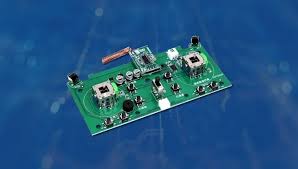
What industries commonly use pcb circuit board assembly?
In the aerospace and defense sector, PCB circuit board assembly is critical for the development of sophisticated avionics, communication systems, radar systems, and military equipment. Aerospace and defense applications demand high-performance, ruggedized PCBs capable of withstanding extreme conditions, including temperature fluctuations, vibration, and electromagnetic interference (EMI). PCB assembly techniques tailored to meet stringent aerospace and defense standards ensure the integrity and reliability of electronic systems deployed in critical missions and operations.
Medical device manufacturing is yet another industry that heavily relies on PCB circuit board assembly to produce advanced healthcare technologies. From diagnostic equipment and monitoring devices to implantable medical devices and robotic surgery systems, PCBs are instrumental in delivering innovative medical solutions that improve patient care and outcomes. PCB assembly techniques designed for medical applications prioritize safety, precision, and compliance with regulatory standards, ensuring the reliability and effectiveness of medical devices used in hospitals, clinics, and laboratories worldwide.
The telecommunications industry also benefits significantly from PCB circuit board assembly, with PCBs serving as the foundation for network infrastructure, communication devices, and data centers. The proliferation of wireless communication technologies, such as 5G networks and Internet of Things (IoT) devices, has fueled the demand for high-performance PCBs capable of supporting faster data transmission rates, lower latency, and increased connectivity. PCB assembly techniques optimized for telecommunications applications enable the deployment of reliable and scalable communication networks that drive digital transformation and connectivity worldwide.
Additionally, industries such as industrial automation, renewable energy, robotics, and IoT devices leverage PCB circuit board assembly to develop innovative solutions that enhance efficiency, productivity, and sustainability. Whether it’s controlling manufacturing processes, harnessing renewable energy sources, or enabling smart home automation, PCBs play a pivotal role in powering the technologies that shape our future.
In conclusion, PCB circuit board assembly is pervasive across a multitude of industries, enabling the development of cutting-edge electronic devices and systems that drive innovation and progress. From consumer electronics and automotive to aerospace, defense, medical, telecommunications, and beyond, PCBs are the building blocks of modern technology, facilitating connectivity, automation, and advancement across diverse sectors. As technology continues to evolve, the importance of PCB circuit board assembly in shaping the future of various industries will only continue to grow.