
What is the Purpose of Creating a Piano Transcription?
Purpose of Creating a Piano Transcription
The purpose of creating a piano transcription is to take music that was composed for another instrument, and translate it into a format that can be played on the piano. Transcription can also be referred to as an arrangement, although strictly speaking arrangements are more faithful adaptations of the original piece, where transcription is not.
Piano is a great choice for this type of work because it is capable of playing any note in the chromatic scale, and can be tuned to almost any key. This is a major advantage over other instruments that can only play certain pitches in specific keys, which makes transcribing for them much more difficult.
https://tartalover.net/nicole-pesce
To make a good piano transcription, the first step is to listen to the piece carefully and figure out what each part is doing. This is especially important in pieces that have complex harmonies, which need to be figured out by listening up and down instead of left to right like melodies do. In addition, it is important to pay attention to the rhythm and tempo of the piece. This information will help in determining which chords to use, and how quickly the melodies should be played.
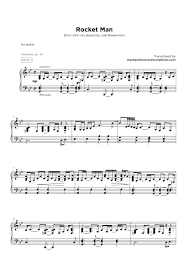
What is the Purpose of Creating a Piano Transcription?
When you have a clear picture in your mind of what is being played, it’s time to start writing it down. This can be done either by hand, or by using a software program such as Finale. When using a software program, it is helpful to learn some keyboard shortcuts so that you can move around the program more efficiently. The next step is to create a score that shows the notes and chords being played. This is usually done by placing the chords above the melody line, and putting the notes on the lines below the staff that signify which note it is (for example, the second line from the bottom of the staff is the G note). The treble clef is used to notate higher pitched notes.
https://m.youtube.com/@tartalover2682/videos
One of the most common uses for piano transcription is to take a classical piece and adapt it to a more popular style or instrumentation. This is particularly common with jazz improvisations, and it can also be found in more classical works that have been adapted to concert band or orchestral performances.
The process of converting the notes into an orchestral score is called a transcription, and it can be very difficult and time consuming. For example, there are many sounds that a piano can’t reproduce, such as the low bass and high squeaks of drums, which must be substituted with other instrumentation. This can have a large impact on the overall sound of the piece.
Other aspects of the music that may need to be changed include extending notes, adding accents and rearranging the timing of parts. For example, it’s common to have long sustained notes in orchestral music that are not possible on the piano, and it may be necessary to add parts that sustain each note for as long as possible. Similarly, large florid arpeggios may need to be broken up into several smaller parts, so that they can be played more easily on the piano.