
What role does coverlay play in flex circuit manufacturing?
role does coverlay play in flex circuit manufacturing
Coverlay plays a critical role in flex circuit manufacturing by providing essential protection to the circuit’s conductive traces and components. As the flexible substrate forms the foundation of the circuit, coverlay is a protective layer that is applied to safeguard the circuit’s functionality and durability. It is particularly important in the context of flexible circuits, which are often subject to mechanical stresses, such as bending, twisting, and stretching. In this article, we will explore the importance of coverlay in flex circuit manufacturing and how it contributes to the overall performance and reliability of flexible circuits.
Coverlay is typically a thin, flex circuit manufacturer made of polyimide or polyester, similar to the base material used for the flex circuit’s substrate. This layer is applied to the circuit’s surface to cover and protect the copper traces and other conductive elements. The coverlay is crucial for preventing damage to the circuits from environmental factors, such as moisture, dust, and chemicals, which can cause corrosion or short circuits. In addition, the coverlay shields the conductive traces from mechanical damage, which is particularly important in flex circuits that are used in high-movement or dynamic environments, like wearable electronics or medical devices.
One of the key roles of coverlay is to provide electrical insulation. When applied correctly, coverlay prevents unintended electrical contact between conductive traces or with other components on the circuit. This is essential in preventing short circuits or electrical failures that could compromise the performance of the flexible circuit. The insulating properties of coverlay also help maintain signal integrity by minimizing noise or interference between different signal paths, especially in circuits with dense trace layouts or high-frequency applications.
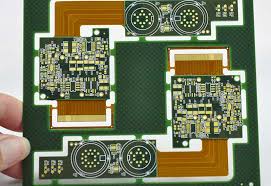
What role does coverlay play in flex circuit manufacturing?
Another critical function of coverlay is to provide mechanical protection. Flexible circuits are often used in applications that require them to bend or conform to tight spaces. Coverlay adds an extra layer of strength to the flex circuit, allowing it to withstand the stresses caused by repeated flexing and bending. It also provides resistance to abrasion and scratching, ensuring that the conductive traces remain intact even in harsh operating conditions. Without a protective coverlay, the flex circuit could suffer from wear and tear, leading to potential failures in the circuit’s performance.
In some cases, the coverlay can also serve as a protective barrier for components that are embedded within the flex circuit. For example, when surface-mount devices (SMDs) or other components are placed on the flex circuit, coverlay can shield these components from physical damage and external contaminants. Additionally, coverlay materials can be formulated to meet specific requirements for thermal stability, chemical resistance, or UV protection, depending on the application’s environmental conditions.
Coverlay is also essential in providing the final shape and structure to the flexible circuit. After the coverlay is applied, manufacturers can use processes like laser cutting or mechanical punching to create openings for components or to define specific regions where the circuit should remain exposed. This precise cutting allows for the creation of vias (holes), cutouts, or windows, ensuring that the exposed areas of the circuit are accurately aligned with the intended design. This flexibility allows manufacturers to customize the coverlay for specific applications, enhancing the versatility of flex circuits.
Another important aspect of coverlay in flex circuit manufacturing is its role in improving the overall reliability of the product. In industries like automotive or medical devices, where product failure can have severe consequences, the coverlay ensures that the flexible circuit can withstand a variety of environmental challenges. For instance, polyimide coverlays offer excellent resistance to high temperatures, which is critical for applications in extreme environments. The durability and protective features of coverlay help extend the lifespan of the flex circuit, reducing the need for repairs or replacements.
The choice of coverlay material is also a key consideration for manufacturers. Polyimide is widely used due to its superior thermal stability, electrical properties, and mechanical strength. Polyester coverlays, while less expensive, may be used for applications where the thermal requirements are less stringent. Additionally, some coverlays can be treated to provide further benefits, such as increased adhesion to the base material, enhanced chemical resistance, or added flexibility.
In conclusion, coverlay plays an essential role in flex circuit manufacturing by providing protection, insulation, and mechanical strength to the flexible circuits. It safeguards the circuit’s conductive traces from environmental and mechanical stress, ensuring long-term reliability and performance. Whether for preventing short circuits, offering durability in high-flex applications, or providing a final shape to the circuit, coverlay is a critical component that contributes significantly to the success of flex circuit products. As flexible electronics continue to evolve, the role of coverlay will remain crucial in ensuring the functionality and longevity of these innovative devices.